Storage for Wholesalers and Retailers: A Jeddah Growth Playbook
Finding the right Storage for Wholesalers and Retailers is one of the quietest decisions that decides whether a Jeddah trading business scales or stalls. In a port city where goods move fast and margins are thin, the warehouse behind the shelf is where profit is either protected or lost. This guide walks through a practical playbook for choosing, organising, and growing storage capacity in 2026, with Jeddah realities front and centre.
Wholesalers and retailers face a different problem than pure e-commerce brands. You carry wide assortments, order in bulk, and need to turn stock quickly before seasonal demand shifts. Smart Storage for Wholesalers and Retailers turns that complexity into an advantage rather than a cash trap.
Why Jeddah Demands a Different Storage Strategy
Jeddah sits beside the Islamic Port of Jeddah, one of the busiest gateways on the Red Sea. That proximity shapes everything. Containers clear quickly, suppliers expect fast collection, and a warehouse close to the port saves real money on drayage and demurrage. According to the Saudi Ports Authority (Mawani), throughput across the Kingdom’s ports continues to climb, which means storage near entry points is only getting more valuable.
Jeddah’s coastal climate adds another layer. Humidity and heat degrade cardboard, labels, and temperature-sensitive goods faster than inland cities. This is where Ambient Storage in Jeddah earns its keep: controlled, dry, stable conditions that keep dry goods, packaging, and general merchandise saleable for longer. For traders who have watched a pallet of stock arrive dusty or warped, the difference is immediate.
The hidden cost of the wrong warehouse
Many growing traders start in a cheap, uninsulated shed and only count the losses later. Damaged packaging gets rejected by retail buyers. Mislabelled bulk cartons slow picking. A disorganised floor means staff spend hours hunting instead of dispatching. The cheapest rent is rarely the cheapest storage once you add shrinkage, rework, and lost sales.
Seven Smart Moves for Wholesale and Retail Storage
Here is a field-tested checklist for building Storage for Wholesalers and Retailers that actually supports growth rather than slowing it:
- Map your velocity first. Separate fast movers from slow movers before you rent a single square metre. You will size space far more accurately.
- Pick location by total cost, not rent per metre. A slightly pricier unit near the port can beat a cheap inland shed once transport is counted.
- Protect fragile stock with ambient control. Dry, stable conditions preserve resale value across Jeddah’s humid months.
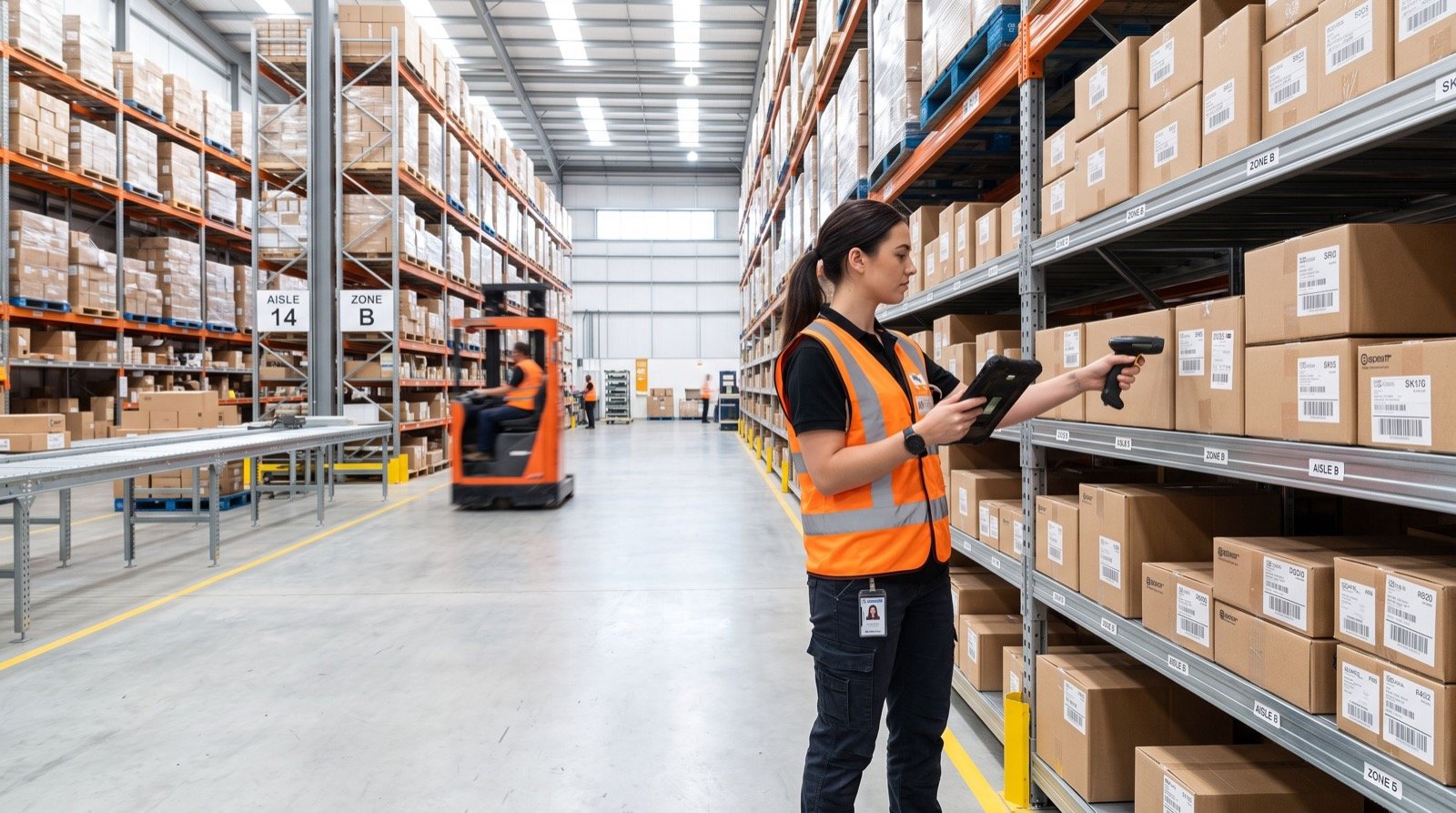
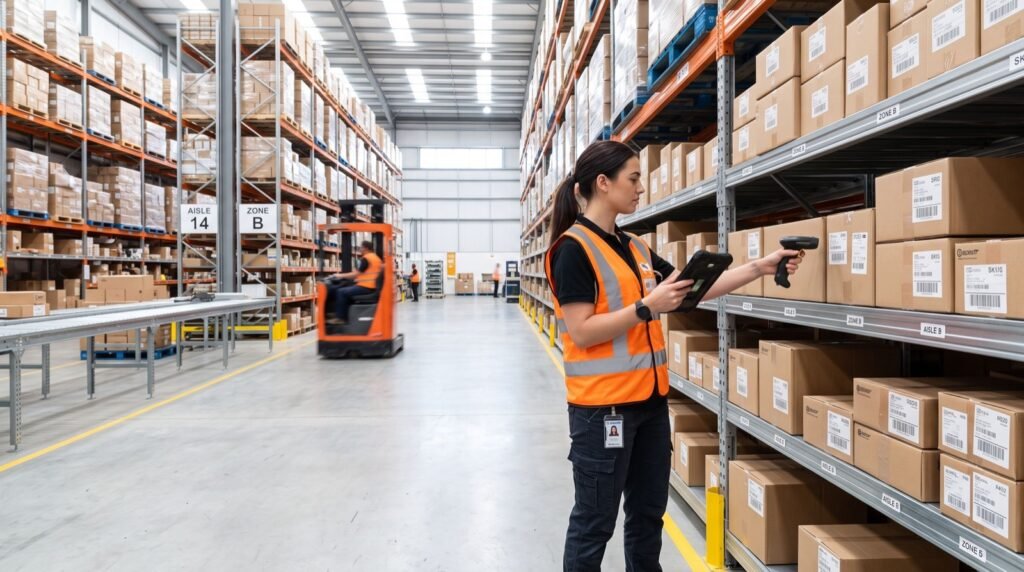
- Design for picking, not just stacking. Wide aisles and clear zones cut dispatch time for every order.
- Use a simple location system. Even basic A1-B2 bin labelling removes guesswork for new staff.
- Build in overflow flex. Seasonal peaks around Ramadan and Hajj need surge capacity, not a year-round oversized lease.
- Insist on real stock visibility. You should know what you hold without physically walking the floor.
Partnering with quality service providers who understand local trading cycles saves months of trial and error. The right partner has already solved the problems you are about to meet.
Comparing Storage Types for Traders
Not every product belongs in the same space. Use this quick comparison to match stock to storage:
| Storage Type | Best For | Key Benefit |
|---|---|---|
| Ambient / dry | Packaged goods, textiles, electronics | Stable conditions, long shelf stability |
| Chilled | Perishables, some cosmetics | Temperature-controlled freshness |
| Bulk pallet | High-volume wholesale lines | Low cost per unit stored |
| Fulfilment-ready | Multi-channel retailers | Pick, pack and dispatch in one place |
Most Jeddah wholesalers end up blending ambient bulk storage with a smaller fulfilment-ready zone. That hybrid keeps costs low on slow lines while speeding up the orders that actually drive cash flow.
How Storage Supports Vision 2030 Trade Growth
Saudi Arabia’s logistics sector is expanding rapidly under national economic diversification goals. The Kingdom aims to become a global logistics hub, and warehousing is the backbone of that ambition. For independent wholesalers and retailers, this matters practically: better infrastructure, more third-party storage options, and rising buyer expectations for fast, reliable supply.
Traders who professionalise their storage now position themselves to win contracts with larger retail chains that demand consistent fill rates. Those still running stock from a back room will struggle to compete. Investing in proper Storage for Wholesalers and Retailers is no longer optional for ambitious Jeddah businesses in 2026.
Signs you have outgrown your current setup
- Stock is stacked in aisles because shelving is full.
- You regularly cannot find inventory you know you ordered.
- Damaged or expired goods are a recurring write-off.
- Dispatch slows every time order volume spikes.
- Staff spend more time searching than shipping.
If two or more of these sound familiar, your storage is capping your growth rather than enabling it.
Turning Storage Data Into Smarter Buying
The best Jeddah traders do not just store stock well, they learn from it. Every pallet that sits too long and every line that sells out early is a signal. Capturing that information turns your warehouse into a source of buying intelligence rather than a passive holding area.
Track how quickly each line moves, note which products spike around Ramadan and Hajj, and watch which slow movers quietly eat shelf space and cash. Over a single season this data sharpens your ordering, so you buy more of what sells and far less of what lingers. For wholesalers working on thin margins, that discipline directly protects profit.
Well-organised Storage for Wholesalers and Retailers makes this possible, because you cannot measure what you cannot see. When stock is zoned, labelled, and tracked, the patterns become obvious, and buying decisions shift from gut feel to evidence. In a competitive 2026 Jeddah market, that edge compounds order after order.
Frequently Asked Questions
What is the best storage type for a Jeddah wholesaler?
For most general merchandise traders, ambient dry storage close to the port offers the best balance of cost, protection, and speed. Perishable lines need chilled space, while high-volume lines sit well in bulk pallet racking. A blended setup usually wins.
How much storage space do I actually need?
Size by stock velocity rather than total catalogue. Fast movers need accessible, well-organised space; slow movers can sit in denser bulk storage. Flexible overflow for Ramadan and Hajj peaks prevents paying year-round for seasonal space.
Does ambient storage really matter in Jeddah?
Yes. Jeddah’s coastal humidity and heat degrade packaging and sensitive goods quickly. Ambient Storage in Jeddah keeps dry goods stable and saleable, protecting the resale value retail buyers demand.
Should I outsource storage or run my own warehouse?
Outsourcing to a specialist removes the capital cost, staffing, and risk of running your own facility, and scales up or down with demand. Running your own makes sense only at very large, stable volumes.
Conclusion: Build Storage That Grows With You
The smartest Jeddah traders treat the warehouse as a growth engine, not a cost centre. By matching stock to the right conditions, organising for speed, and planning for seasonal surges, you turn Storage for Wholesalers and Retailers into a genuine competitive edge. As the Kingdom’s logistics landscape keeps expanding through 2026, the businesses that professionalise storage today will be the ones winning the biggest retail contracts tomorrow. Review your setup, fix the weak points, and partner with specialists who know Jeddah. Start now, and let your storage carry the growth instead of capping it.